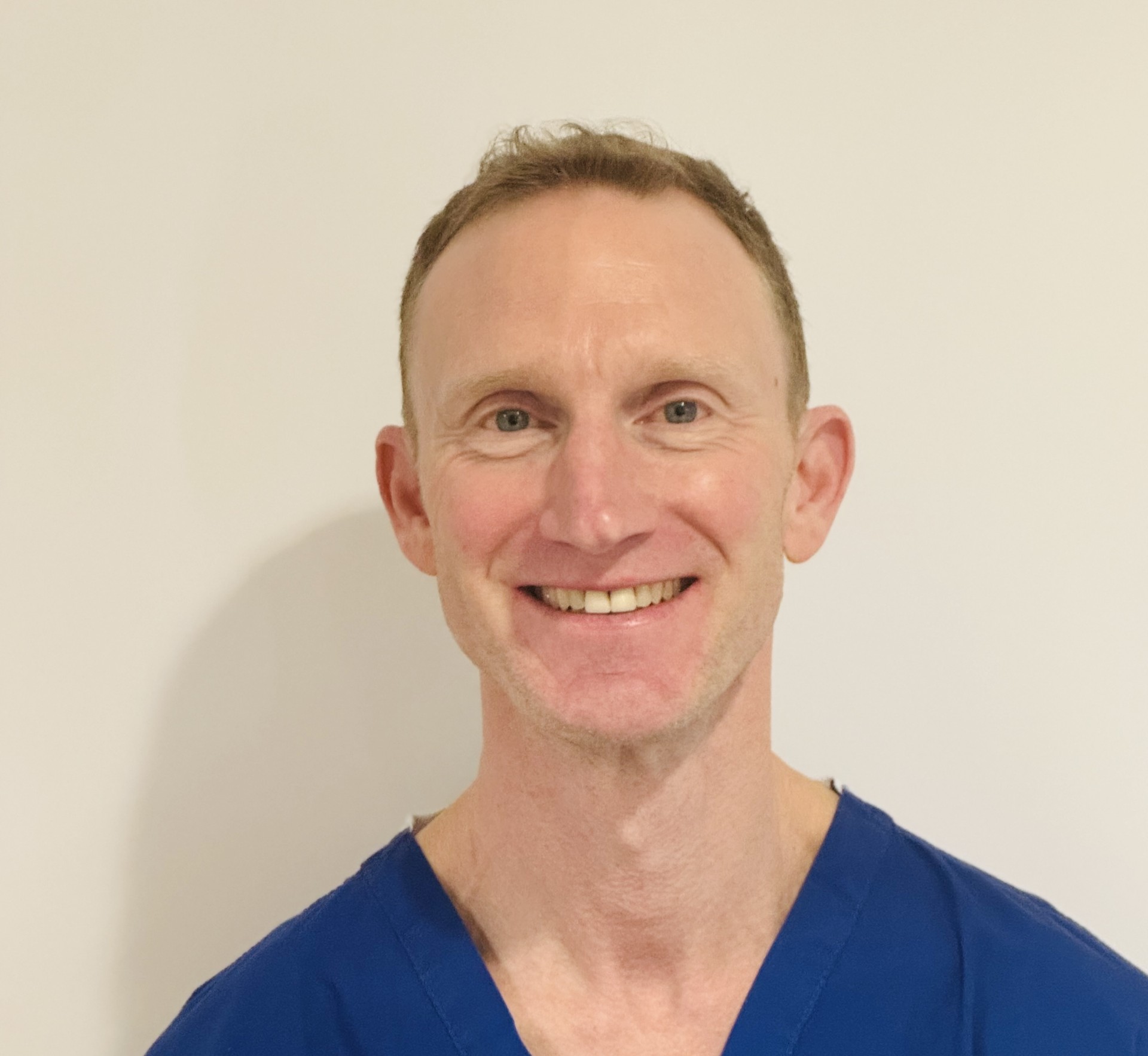
Bournemouth & Dorset · Private Practice

Dr Christopher Watts

Consultant Interventional Radiologist

MBBS · BMedSci · MRCP · MRCGP · FRCR

Minimally invasive, image-guided treatment for vascular and general interventional conditions — delivered with precision, under local anaesthetic wherever possible, with faster recovery than open surgery.

Dr Christopher Watts
About

Dr Christopher Watts is a Consultant Interventional Radiologist offering private, minimally invasive treatment for a range of vascular and general interventional conditions across Bournemouth and Dorset.

He trained in radiology at Oxford before completing a specialist interventional radiology fellowship in Melbourne, Australia. He has a particular interest in fibroid embolisation, varicocele embolisation, urological access procedures, and general vascular and non-vascular intervention.

Dr Watts is committed to patient-centred care, offering effective, minimally invasive alternatives to surgery with shorter recovery times.

  • Private practice at Nuffield Health Bournemouth & Private Health UHD, Royal Bournemouth Hospital
  • GMC number: 4207777
  • Registered with AXA, BUPA, Vitality, Aviva & WPA — self-pay also welcome
Procedures & Treatments

Minimally invasive, image-guided care

Women's Health
Uterine Fibroid Embolisation +

Uterine fibroid embolisation (UFE) is a minimally invasive treatment for fibroids — non-cancerous growths in the womb that can cause heavy periods, pain, and pressure symptoms.

Using X-ray guidance, a small catheter is passed through a tiny incision in the wrist or groin and directed to the blood vessels supplying the fibroids. Tiny particles are then injected to block their blood supply, causing the fibroids to shrink over the following weeks and months.

The procedure is performed under local anaesthetic with sedation, and most patients go home the next day. To help manage post-procedure discomfort, Dr Watts also performs a superior hypogastric nerve block at the time of treatment, which can significantly reduce pain in the hours after the procedure.

UFE offers an effective alternative to surgery, with a shorter recovery time and no need for a general anaesthetic.

Men's Health
Varicocele Embolisation +

A varicocele is an enlargement of the veins within the scrotum, similar to varicose veins, which can cause discomfort, swelling, or in some cases affect fertility.

Varicocele embolisation is a minimally invasive alternative to surgery. Using X-ray guidance, a thin catheter is passed through a small puncture in the neck or groin into the affected vein. Tiny coils are used to block the abnormal vein.

The procedure is performed under local anaesthetic, usually as a day case, with most patients returning to normal light activity within a day or two. Recovery is quicker than with surgical treatment, and the procedure avoids the need for an incision in the scrotum itself.

Urological Support
PCNL Access (Percutaneous Nephrolithotomy Support) +

Percutaneous nephrolithotomy (PCNL) is a procedure used to remove larger kidney stones that cannot be treated with less invasive methods.

Dr Watts works alongside urological surgeons to provide safe, image-guided access into the kidney, using ultrasound and X-ray guidance to place a needle and tract precisely into the collecting system of the kidney. This access allows the urology team to pass instruments through to remove the stone directly.

Accurate, image-guided access is a key step in ensuring the procedure is as safe and effective as possible, minimising the risk to surrounding structures.

Nephrostomy +

A nephrostomy is a small tube placed directly into the kidney to drain urine when normal drainage through the ureter or bladder is blocked — for example, due to a stone, tumour, or stricture.

Using ultrasound and X-ray guidance, a needle is passed through the skin of the back into the kidney, and a small drainage tube is placed and secured. The procedure is usually performed under local anaesthetic with sedation.

Nephrostomy insertion can provide urgent relief of blockage and protect kidney function, and may be a temporary measure or, in some cases, a longer-term solution depending on the underlying cause.

Vascular Access
PICC Line Insertion +

A PICC (peripherally inserted central catheter) line is a long, thin, soft tube inserted into a vein in the arm and guided into a large vein near the heart. It provides reliable access for delivering medications, chemotherapy, antibiotics, or nutrition over an extended period, avoiding the need for repeated needle insertions.

Using ultrasound guidance, the line is inserted through a small puncture in the upper arm under local anaesthetic, and position is confirmed at the time of insertion with X-ray. The procedure is quick, usually 15–30 minutes, and you are able to go home straight away.

PICC lines can remain in place for weeks to months and are cared for with simple dressing changes, making them a practical option for patients needing extended intravenous treatment.

Portacath Insertion +

A portacath (or "port") is a small device placed under the skin, usually in the chest, connected to a catheter that sits in a large vein. It provides long-term, low-maintenance access for medications such as chemotherapy, without the need for repeated needle insertions into peripheral veins.

The device is inserted under local anaesthetic (with sedation if needed) using ultrasound and X-ray guidance, through a small incision in the neck and then another incision on the chest. Once in place, the port sits discreetly beneath the skin and is accessed with a needle through the skin when treatment is needed.

Ports are designed for long-term use and can remain in place for up to 5 years, offering a durable and comfortable solution for patients requiring ongoing intravenous treatment.

General Vascular
Peripheral Vascular Intervention (Angioplasty) +

Peripheral arterial disease occurs when the arteries supplying the legs become narrowed or blocked, often causing pain on walking (claudication) or, in more severe cases, pain at rest or non-healing wounds.

Angioplasty is a minimally invasive treatment to open narrowed or blocked arteries. Using X-ray guidance, a catheter is passed through a small puncture in the groin, or sometimes the wrist, to the affected artery, where a balloon is used to widen the narrowing — sometimes with a stent placed to help keep the vessel open.

The procedure is usually performed under local anaesthetic, with most patients going home the same day. Angioplasty can significantly improve walking distance, reduce pain, and help avoid more invasive surgery.

General Interventional Radiology
Image-Guided Biopsy +

An image-guided biopsy uses ultrasound or CT scanning to precisely target an area of concern — such as a lump, lesion, or organ abnormality — and obtain a small tissue sample for diagnosis.

A fine needle is guided to the exact location using real-time imaging, minimising the size of the incision needed and improving accuracy compared to a blind biopsy. The procedure is typically performed under local anaesthetic and takes less than an hour.

Image-guided biopsy is a safe, minimally invasive way to obtain an accurate diagnosis, helping guide the next steps in your treatment plan.

Drain Insertion +

Fluid can sometimes collect within the body — around the lungs, in the abdomen, or within an abscess — causing discomfort, breathlessness, or infection. Drain insertion is a minimally invasive way to remove this fluid and relieve symptoms.

Using ultrasound or CT guidance, a small tube is placed directly into the fluid collection through a tiny skin incision, under local anaesthetic. Depending on the situation, this may be a short procedure with a temporary drain, or something longer term such as a PleurX drain for recurrent fluid around the lungs or abdomen. PleurX drainage can be managed at home, with support from community nurses, avoiding repeated hospital visits.

This approach avoids the need for more invasive surgery and can provide rapid symptom relief.

Please note: Dr Watts does not currently offer tumour ablation procedures.

Further Reading

Patient information & resources

BSIR

The British Society of Interventional Radiology's patient leaflets, covering many common IR procedures.

Visit BSIR →

CIRSE

The Cardiovascular and Interventional Radiological Society of Europe's patient resources, including leaflets in multiple languages.

Visit CIRSE →

SIR

The Society of Interventional Radiology's patient information hub, with a helpful glossary of conditions and treatments.

Visit SIR →

These are external websites maintained by professional societies, provided for general background reading. They are not a substitute for discussing your own care with Dr Watts.

Referrals & Enquiries

Get in touch

Dr Watts accepts self-referrals and referrals from GPs and other clinicians. Please note: initial enquiries are usually followed by a consultation to confirm suitability for treatment.

Phone
07356 001973
Email
enquiries@drchristopherwatts.co.uk
Secretary
Claire Tulley
Clinics
Nuffield Health Bournemouth · Private Health UHD, Royal Bournemouth Hospital
GMC No.
4207777

Before you enquire

It helps to have a note of your referring GP or consultant (if applicable), a brief description of your symptoms, and any relevant scan or test results to hand. This helps us assess your enquiry quickly and arrange the right next step.